
Runner's Knee: Signs, Causes, and What to Do
What runner's knee is, the signs worth noticing, what tends to cause it, and why a doctor beats a search engine when knee pain won't quit.
Updated July 12, 2026: Refreshed for the new site. Reframed the self-diagnosis checklist and tightened the medical framing.
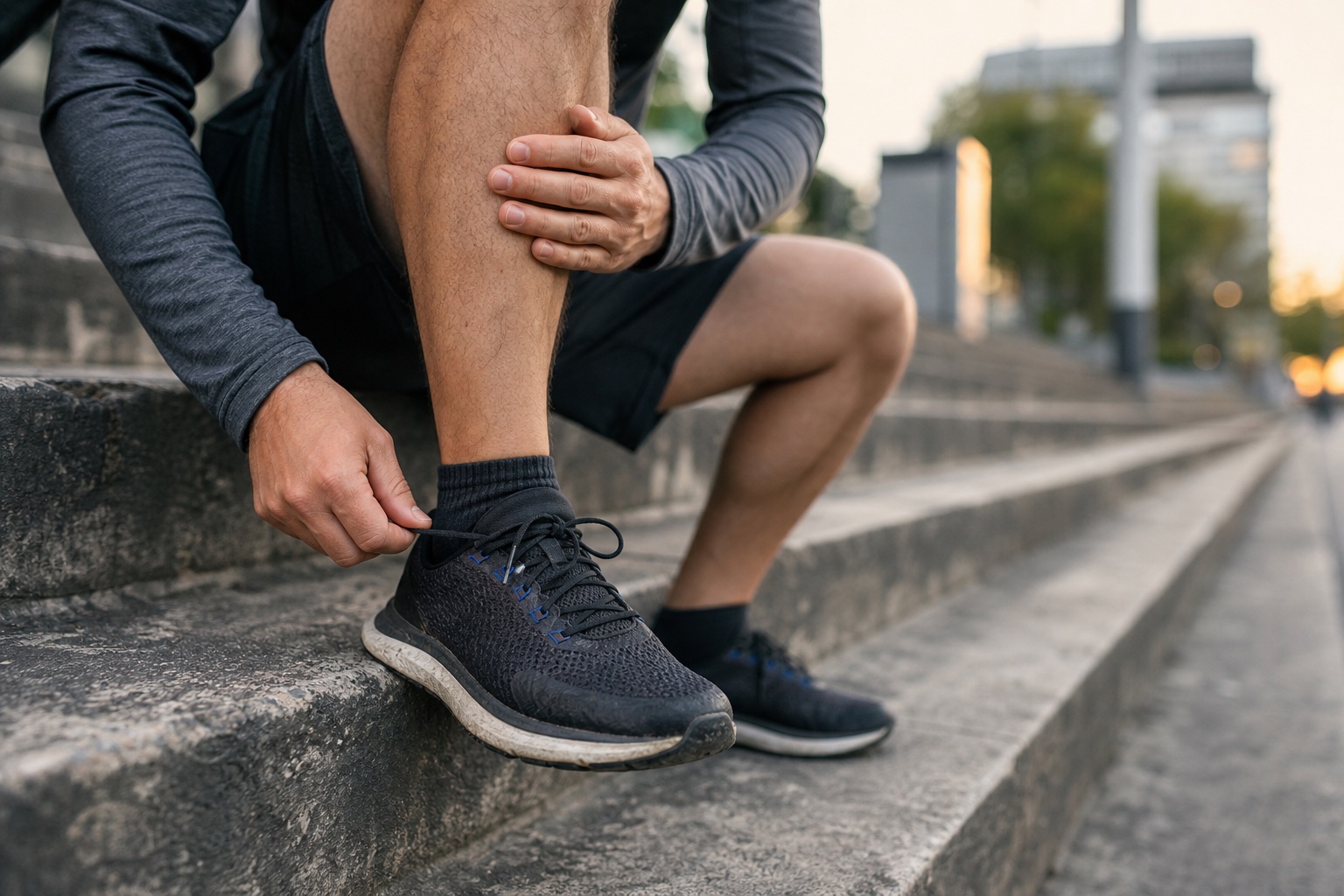
Runner's knee is one of those names that sounds more precise than it is. It describes where it hurts. It does not tell you why.
The condition is technically known as patellofemoral pain syndrome, which doesn't roll off the tongue and is certainly not as fun to say. But regardless of what you call it, runner's knee is a pain in the, well, knee. It's typically tied to overuse or how the kneecap tracks, and it shows up as pain, tenderness, and sometimes inflammation around the front of the knee.
Signs worth noticing
This is not a diagnosis. It's a list of patterns that tend to show up together, and it's worth paying attention if several sound familiar:
- You've been running more than usual lately.
- You've been skipping your stretching and mobility work.
- You feel pain around or behind the kneecap.
- The pain gets worse when walking, climbing stairs, standing up, or sitting for a long time with the knee bent.
If that reads like your last two weeks, don't crown yourself with a diagnosis. Patterns are a reason to pay attention, not a substitute for an exam.
We're not doctors, though we could pass for one on TV. In all seriousness: go to the doctor.
Too many runners ignore signs from their bodies and wait too long to seek help. You may have overdone it a little, and a day or two of rest sorts it out. But if the pain hangs around past a few days, make the appointment. The information here is meant to help with that conversation, not replace it.
Worth knowing: running loads your knees with several times your body weight on every stride. Some biomechanics estimates put peak loads at multiples of body weight, which is why small problems upstream get loud at the knee. A chain of muscles runs from your hip down to your lower leg and connects at the tibia, and when you run, that chain is doing serious work.
What causes runner's knee?
Runner's knee generally comes from irritating, injuring, or exerting too much strain on the structures around the kneecap and the muscles running from hip to lower leg. Common contributors:
- Overtraining, especially sudden jumps in mileage
- Weak supporting muscles (hips and quads in particular)
- A previous injury to the knee
- Kneecap tracking or alignment issues
- Flat feet, or shoes that don't suit your feet
- Arthritis or another condition affecting the knee
Notice how many of those reduce to "too much, too soon, on a body that wasn't ready for it." Ramping up gradually is the cheapest injury insurance there is.
In Runner's Logbook: the plan builds your mileage gradually and adjusts when you miss runs, so you're not jumping from couch to peak week.
What helps?
Pending your doctor's visit, exercises that strengthen and loosen the chain around the knee are commonly recommended:
- Hamstring stretches
- Clam shells
- Straight leg raises
- Wall slides
- Hip raises
And of course, there's rest. That means no running. Yes, we know. We said what we said.
If knee pain doesn't go away with stretching and rest, see a doctor. They may order X-rays or an MRI to rule out anything serious, and they may refer you to a physical therapist. Your pharmacist can also advise on over-the-counter anti-inflammatories like ibuprofen for short-term relief.
If it's going to take a few days to get seen, in the meantime:
- Rest
- Stretch gently
- Check your gear (it may be time for new shoes)
- When you do return, increase your time and miles slowly
New to running and want to avoid this whole article becoming personally relevant? Start with our beginner FAQ.
More from the Lab
Keep reading
Health & Recovery
Is There Such a Thing as Too Much Exercise?
Yes, probably, at volumes most of us will never see. What the debated evidence says, the warning signs worth respecting, and why exercise is a great coping tool but not a treatment plan.
Read article
Health & Recovery
How Running Reduces Stress (and May Help You Live Longer)
Running is a stress on the body that seems to teach it to handle every other stress better. Here is what the research suggests, and where its limits are.
Read article